When we think about nutrition, our minds focus on protein, calories, or macros. Maybe we think about whether something is “lean” or “high-protein” and call it a day. But here’s the thing: there’s a whole world of lesser-known nutrients hiding in everyday animal-based foods that do way more than just fuel our muscles or keep us full.
These nutrients quietly support brain development, sleep cycles, gut health, active recovery after workouts, and even long-term energy levels. They aren’t always flashy and don’t make the front of the package, but when you understand them and add them into your routine, you unlock benefits that truly impact how you feel every day.
On this episode of the Chain Effect Podcast, “Super-Nutrients in Animal Foods,” we explored some of the hidden nutritional gems found in foods like eggs, fish, dairy, and, yes, even beef liver.
Below, we’ve broken down some of the highlights from that conversation and added approachable recipes so you can bring these foods into your weekly lineup without turning your kitchen upside down.
Here’s your practical recap with takeaways you can use at your next grocery run.
First, the Big Picture: Your Body Needs Fat
- Steady energy and appetite control. Fat barely nudges blood sugar, which keeps you fuller, longer. (Fantastic at breakfast and lunch; go lighter pre-workout so your stomach isn’t doing burpees during burpees.)
- Hormones are built with fat. Cholesterol and dietary fats are raw materials for estrogen, testosterone, progesterone, and cortisol.
- Nutrient absorption. Vitamins A, Vitamin D, E, and K need fat to catch a ride.
- Cells and brain. Cell membranes and nerve tissue rely on fatty acids (hello, omega-3s).
Chain Effect’s Translation: Fat isn’t the villain. Overdoing calories is. (Fat has nine cals/grams vs. 4 for protein/carbs, so portions matter.)
Now, it’s time to settle some debates regarding fat. Taylor and Caroline dive in!

5 Lesser-Known Super Nutrients in Everyday Animal Foods
1. Eggs: Brain Builders and Complete Protein
Eggs have been through the nutrition rumor mill for decades. At one point, yolks were labeled “bad” because of their fat and cholesterol content, and people stuck to egg whites only. But as Caroline points out in the podcast, the yolk is where most of the magic happens.
Yolks contain choline, a nutrient critical for brain and nervous system function. This is especially important during pregnancy, where choline supports healthy brain and neural tube development for babies. One egg can give you about 30–40% of your daily choline needs, making it a powerhouse for anyone, pregnant or not.
Eggs are also one of the rare foods that contain all essential amino acids, meaning they provide complete protein. That’s why they’re a breakfast staple for many athletes and families. Taylor shares a fun cooking trick on the podcast: scramble the egg whites first, then stir in the yolks at the end for a rich, silky texture. It’s an extra step, but the result is worth it.
2. Seafood: Omega-3s Without the Mercury Worry
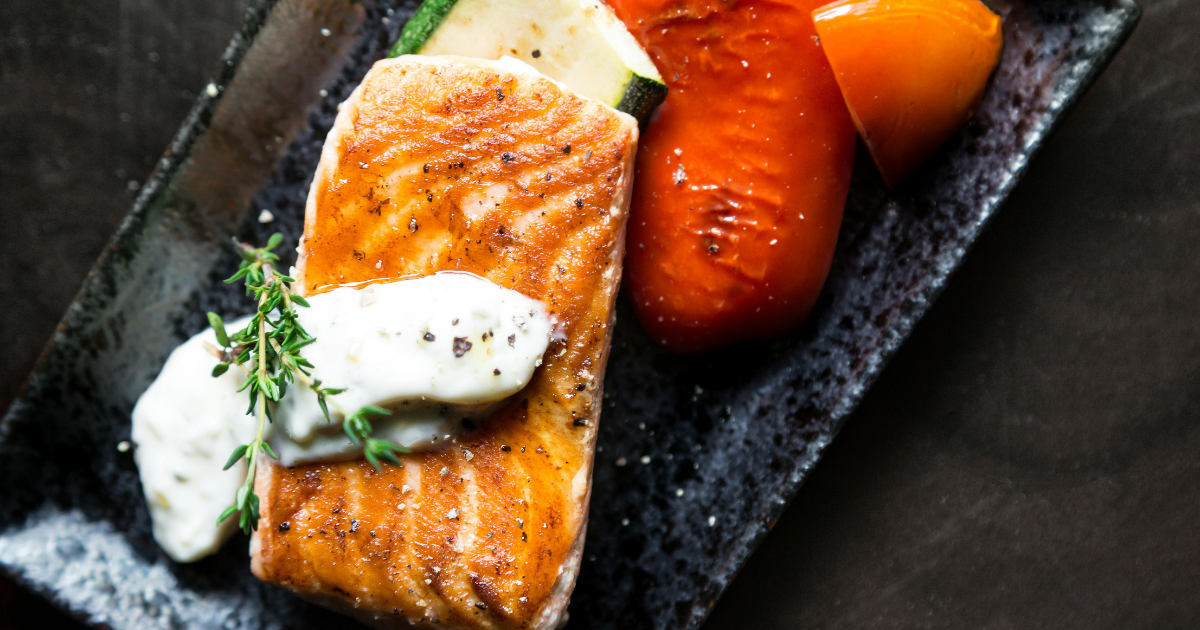
When it comes to heart and brain health, omega-3s are where it’s at. These fatty acids help reduce inflammation, support cognitive function, and even speed up recovery after hard workouts. While plant-based foods have a type of omega-3 (ALA), EPA, and DHA, the forms our bodies use most efficiently are found mainly in seafood.
Some of the best sources per 4-ounce cooked portion are:
- Anchovies (perfect for boosting salad dressings or sauces)
- Herring
- Mackerel
- Oysters
- Salmon (especially Atlantic and Coho)
- Sardines
- Trout
If you’re worried about mercury, you’re not alone. Mercury levels tend to rise in larger predatory fish, but here’s the good news: most commonly eaten seafood is well below the danger zone when consumed in normal amounts. Caroline explains that even tuna is safe if you stick to skipjack or light varieties, which have lower mercury levels than albacore.
A helpful tip? Rotate different species throughout the week. Think of it like “eating the rainbow,” but with fish. This gives you a wider nutrient profile and keeps meals interesting.
3. Turkey & Chicken Breast: The Sleep Connection

We’ve all heard that Thanksgiving turkey makes us sleepy, and while part of that is just the giant holiday feast, there’s a grain of truth to it. Turkey (and chicken breast) is rich in tryptophan, an amino acid that plays a role in your body’s serotonin and melatonin pathways.
Melatonin helps you fall and stay asleep, while serotonin influences mood and energy. Meeting your tryptophan needs throughout the week can support healthier sleep management and sleep cycles, even recovery after long days or hard workouts. This is a great example of how the right nutrient at the right time can make a difference in how you feel day to day.
4. Dairy: More Than Just Calcium
When you think about dairy, calcium probably comes to mind first, and yes, calcium is essential for strong bones and teeth. But certain dairy products bring even more to the table.
- Phosphorus works alongside calcium for bone strength and also plays a role in energy production.
- Probiotics are the beneficial bacteria that keep your gut microbiome happy and balanced.
Cottage cheese, kefir, and plain Greek yogurt are all easy ways to get both phosphorus and probiotics in one shot. Just be sure to read your labels. Look for “live and active cultures” in the ingredients list and avoid brands with long lists of stabilizers or added sugars. Caroline’s go-to breakfast? Cottage cheese with cherry tomatoes, avocado, and a sprinkle of pepper is quick, filling, and packed with nutrients.
5. Beef Liver (and Organ Meats): Nature’s Multivitamin
Organ meats may not sound glamorous, but they are incredibly nutritious. Beef liver, in particular, is loaded with:
- Iron for red blood cell production
- Vitamin A for eye and skin health
- B vitamins, especially B12 and folate, for energy and nervous system support
- High-quality protein, with fewer calories and less fat than many cuts of steak
If the flavor is intimidating, start small. Mix finely chopped liver into ground beef for burgers or meatballs. You’ll barely notice it, but still get all the benefits.
Ready for some easy recipes you can make that feature super-nutrient animal foods? We’ve got you covered at Chain Effect!
6 Easy, Weeknight-Friendly Recipes
Each recipe uses at least two themes from the episode (nutrients, convenience, family-friendly). Remember: swap sides to fit your macros.
1. Creamy “Two-Stage” Scrambled Eggs on Greens
Superpowers: choline + complete protein
Great for: brain support, steady morning energy
Ingredients (2 servings)
- 4 large eggs
- 2 egg whites
- 1 tsp butter or olive oil
- 2 cups baby spinach or arugula
- Salt & pepper, chives (optional)
Directions
- Separate yolks from whites for 2 of the eggs; whisk all whites + the other two whole eggs with salt/pepper.
- Heat butter over medium; wilt the greens briefly, then remove.
- Pour in eggs; gently scramble until just glossy.
- Stir in the reserved two yolks for the last 20–30 seconds to finish ultra-creamy. Serve over greens; top with chives.
Chain Effect Tip: This “last-second yolk” method keeps texture lush without overcooking. It’s great if you’re balancing protein and flavor.
2. Caesar-Boosted Salmon with Anchovy Dressing
Superpowers: omega-3s (EPA/DHA) + calcium from Parmesan
Great for: heart/brain health, post-lift recovery
Ingredients (2 servings)
- 2 salmon fillets (4–6 oz each)
- Salt, pepper, olive oil
- Dressing: 2 anchovy fillets (or 1 tsp paste), one small garlic clove, 1 tsp Dijon, juice of ½ lemon, 2 tbsp olive oil, 2 tbsp grated Parmesan, black pepper
Directions
- Roast the salmon at 400°F (200°C) for 10–12 min (or air-fry it for 8–10 min), skin on if you like it crisp.
- Mash anchovy + garlic; whisk in Dijon, lemon, oil, Parmesan, pepper.
- Spoon dressing over salmon; serve with romaine or roasted veg.
Chain Effect Tip: If you’re not an anchovy fan? Start with ½ teaspoon. You’ll get umami and fish oils without a strong taste.
3. Ground-Turkey & Mushroom “Lift-Light” Meatloaf
Superpowers: tryptophan + protein, lighter texture from mushrooms
Great for: high-protein family dinner, easy leftovers
Ingredients (4–5 servings)
- 1 lb (450 g) 93–97% lean ground turkey
- 8 oz mushrooms, very finely chopped
- ½ small onion & 1 garlic clove, minced
- 2 eggs, lightly beaten
- ½ cup breadcrumbs (or oat flour)
- 1 tbsp Worcestershire sauce
- ¼ cup ketchup (plus extra for glazing)
- Salt & pepper
Directions
- Sauté mushrooms/onion/garlic 3–4 min; cool.
- Mix everything; shape on a lined sheet (free-form loaf).
- Bake at 350°F (175°C) ~ for 35–45 min to 160°F (71°C) internal; glaze for 10 min.
Chain Effect Tip: The minced mushrooms “aerate” the loaf, making it less dense and sneaking in extra potassium and fiber.
4. Savory Cottage-Cheese Bowl (Tomato, Avocado, Pumpkin Seeds)
Superpowers: phosphorus, probiotics (if live cultures), potassium, magnesium
Great for: 2-minute lunch, balanced snack
Ingredients (1 serving)
- ¾–1 cup cottage cheese (look for live & active cultures)
- Handful of cherry tomatoes, halved.
- ¼ avocado, sliced
- 1 tbsp pumpkin seeds
- Fresh pepper, pinch of flaky salt
Directions
Layer, season, eat. That’s it.
Chain Effect Tip: Reading labels pays off. Choose brands with short ingredient lists and active cultures; add your own produce to control sugar.
5. Kefir Bedtime Smoothie (Tart Cherry + Almond)
Superpowers: natural melatonin + probiotics
Great for: wind-down routine on training days
Ingredients (1 serving)
- ¾ cup plain kefir
- ½ cup frozen tart cherries (or ½ cup tart cherry juice)
- 1 tbsp almond butter (or 1 tbsp hemp hearts)
- ¼ tsp cinnamon (optional)
Directions
Blend until smooth; sip 60–90 minutes before bed.
Chain Effect Tip: Keep it small so you’re not overfull at bedtime. Save bigger snacks earlier in the evening.
6) “Hidden-Liver” Beef Burgers (20% Blend)
Superpowers: iron, B12, vitamin A, without the strong flavor
Great for: micronutrient boost for the whole family
Ingredients (4 patties)
- 12 oz (340 g) 90–93% lean ground beef
- 4 oz (115 g) very finely minced beef liver*
- ½ tsp kosher salt, black pepper
- Optional: ½ tsp smoked paprika, splash Worcestershire.
*If you’re sensitive to flavor, soak the liver in milk for 30–60 minutes, pat dry, and mince.
Directions
- Gently mix beef + liver + seasonings; don’t overwork.
- Form 4 patties; cook in a hot skillet or grill to desired doneness.
- Serve with simple toppings (pickles, mustard, tomato).
Chain Effect Tip: Start with a 10–20% liver ratio. Most people won’t notice it, but the micronutrient payoff is real.
How to Put This on Autopilot (Without a Meal-Prep Marathon)
- Anchor meals: Pick 2 “anchors” per week (e.g., Salmon Caesar + Turkey Meatloaf). Make enough for leftovers.
- Smart swaps: Rotate small fish (sardines, anchovies) with salmon/trout to widen omega-3 variety.
- Label check: Choose dairy with active cultures; flavor it yourself.
- Plan sleep management helpers: Schedule tart-cherry/kefir nights on heavy training or late-screen evenings.
Final Thoughts: Putting It All Together
Understanding these nutrients is only half the battle. The real magic happens when you fit them into your actual life, grocery runs, kids’ preferences, workout schedule, and personal health goals. That’s where people often get stuck.
At Chain Effect, we believe nutrition should work with you, not against you. Our registered dietitians don’t hand out generic meal plans or restrictive rules. Instead, we look at your lifestyle and create a strategy that feels doable, whether that’s incorporating more omega-3s for heart health, boosting choline intake during pregnancy, or finally figuring out how to eat for better sleep and energy.
Food is powerful medicine, but it has to be personalized to have its full effect. With small, intentional changes and the right support, you can use these “superfoods” to improve not just your health markers, but your quality of life.
Learn about super nutrients in everyday produce here.
Ready to take the guesswork out of your nutrition?
Book a nutrition counseling session with our Chain Effect team today, and let’s create a plan that helps you feel stronger, recover faster, and live better.
Don’t forget to catch the whole conversation on the Chain Effect Podcast: Listen here with hosts Caroline Pope, RD, and Taylor Pope, DPT.