Poor gut health has been linked to a number of conditions, such as gastrointestinal disorders, autoimmune diseases, cardiovascular diseases, cancer, and endocrine conditions. Besides the physical risks associated with gut health, gut microbiota has also been linked to mental health disorders, such as anxiety and depression. It can also be a key component to you achieving your health and fitness goals.
Due to the potential health implications of your gut’s health, it’s essential you know what your gut microbiome is and how you can support it.
What Is the Gut Microbiome?
Microbes are microorganisms like bacteria, fungi, and viruses, with trillions of them primarily living in your intestines and on your skin. The gut microbiome is located in your large intestine’s cecum and houses most of the microbes in your intestines.
While trillions of tiny microbes living in your gut might not be the most pleasant thought, they’re essential for your survival. For example, the gut microbiome assists with digesting breast milk and fiber, maintaining a healthy gut, and helping your immune system effectively respond to infections. Gut microbes also interact with your endocrine system and nervous system.
How to Improve Gut Health, Digestion, & Microbiome Support
Since your gut’s microbiome plays a key role in digestion and your overall gut health, it’s important to take care of it. Below, you can find the top five tips for improving gut health, digestion, and microbiome support.
1. Add Fermented Foods to Your Diet
Fermented foods are loaded with probiotics, which are a type of good bacteria that can strengthen the population of microbes in your gut. By eating fermented foods with high amounts of probiotics, you can reduce your risk of having a shortage or imbalance of helpful microbes. Some great fermented foods to add to your diet include:
- Sauerkraut
- Yogurt
- Kefir
- Tempeh
- Kimchi
- Fermented vegetables
- Miso
- Kombucha
2. Eat Lots of Fruits, Veggies, Whole Grains, Legumes, and Nuts
A recent study found that increasing your dietary fiber consumption can alter your gut microbes and improve metabolic health. The best fiber for your gut microbiome comes from fruits, veggies, whole grains, legumes, and nuts. High fiber options include:
- Quinoa and oats
- Asparagus, carrots, and broccoli
- Peaches, raspberries, and apples
- Pistachios, chia seeds, and almonds
- Chickpeas, lentils, and black beans
3. Avoid Sugary Foods and Artificial Sweeteners
While sugary foods are great as a treat, a diet that includes high amounts of sugar can actually harm your gut health. Since sugar has been linked to the growth of unhealthy gut bacteria, you’ll want to reduce sugar in your diet. Typically, men should keep their sugar intake under nine teaspoons a day, while women should stick to six teaspoons or fewer.
As you try to reduce your sugar intake, you won’t want to add too many artificial sweeteners into your diet as a replacement. Artificial sweeteners like saccharin and aspartame reduce healthy bacteria in your gut, meaning they’re not a recommended alternative to sugar.
4. Reduce Stress
If you’re under a high amount of stress regularly, it can negatively impact your gut health. While reducing stress is often easier said than done, taking the time to prioritize your mental wellness can be beneficial for your gut biome. Some stress-relieving practices you might want to try include meditation, regular exercise, and deep breathing.
5. Prioritize Your Sleep
There are many health benefits to sleep, but one that’s often overlooked is its benefits to your gut health. Research indicates that sleep deprivation causes an imbalance of microbes in the gut, with some gut bacteria cycling on circadian rhythms involving sleep. As a result, you’ll want to stick to a regular sleep schedule and get seven to eight hours of sleep a night to maintain a healthy balance of microbes in your microbiome.
Schedule a Nutrition Counseling Appointment for Gut Health, Digestion & Microbiome Support
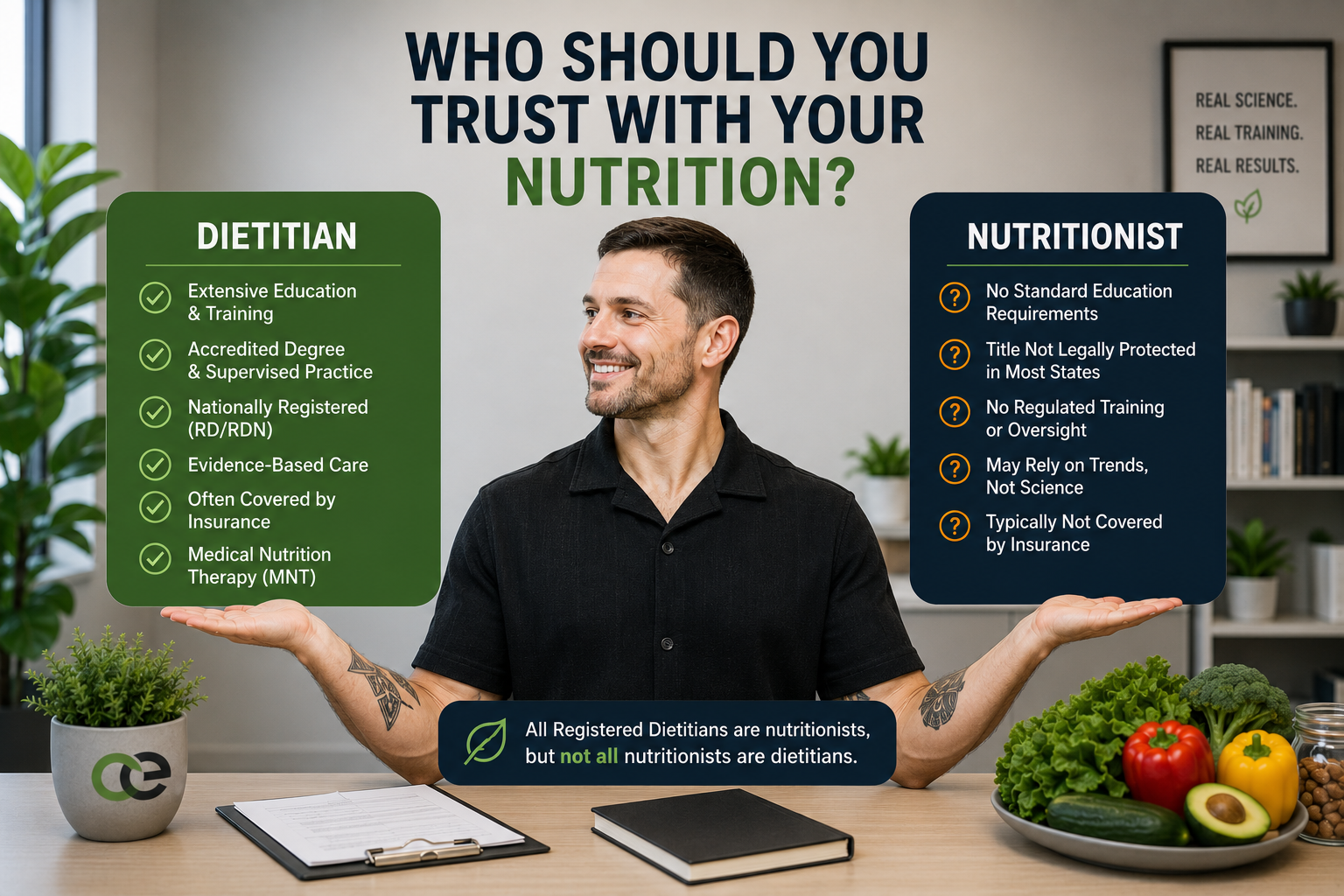
If you want to improve your gut health, Chain Effect can help. Our nutritional counselors regularly work with our clients to improve their gut health and digestion. Since our registered dietitians combine habit science with psychology, we can help you develop a healthy relationship with food and achieve long-lasting results. We also customize our diet plans for each individual client and hold online nutrition counseling sessions to make receiving our services more convenient.
Learn more about our nutrition counseling services today. If you’re ready to meet with one of our dietitians, please schedule an appointment.