Protein. Just add it to everything?
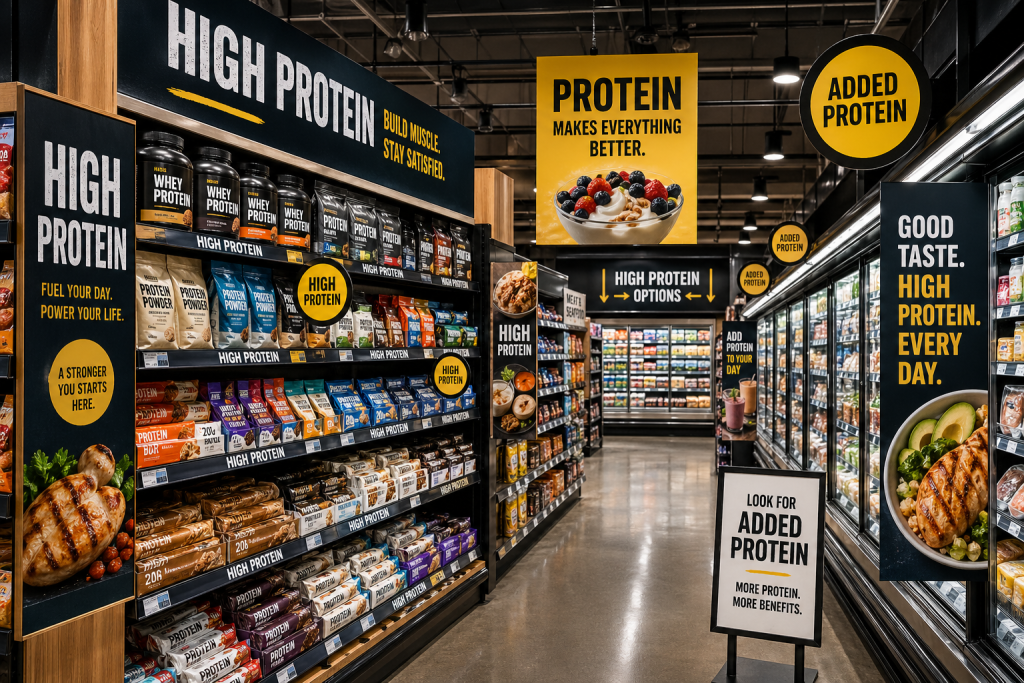
Walk through any grocery aisle right now and it feels like the word “protein” is screaming at you from every shelf. Protein pasta, protein chips, protein Pop-Tarts, protein cereal, yogurt “with added protein,” even protein sparkling water. With all this protein-added marketing, most of my clients are still feeling lost and overwhelmed. How much protein is actually enough?
For most people, the answer is a lot less extreme than the wellness industry suggests. You don’t need to chase 200 – 250 grams a day or buy every protein-branded snack to support performance, build muscle, or lose fat. You do need to hit a sensible minimum protein goal catered to your specific needs and then let the rest of your diet focus on carbohydrates, fats, fiber, and micronutrients that keep your body running well. Protein intake absolutely matters, but it’s not a superpower.
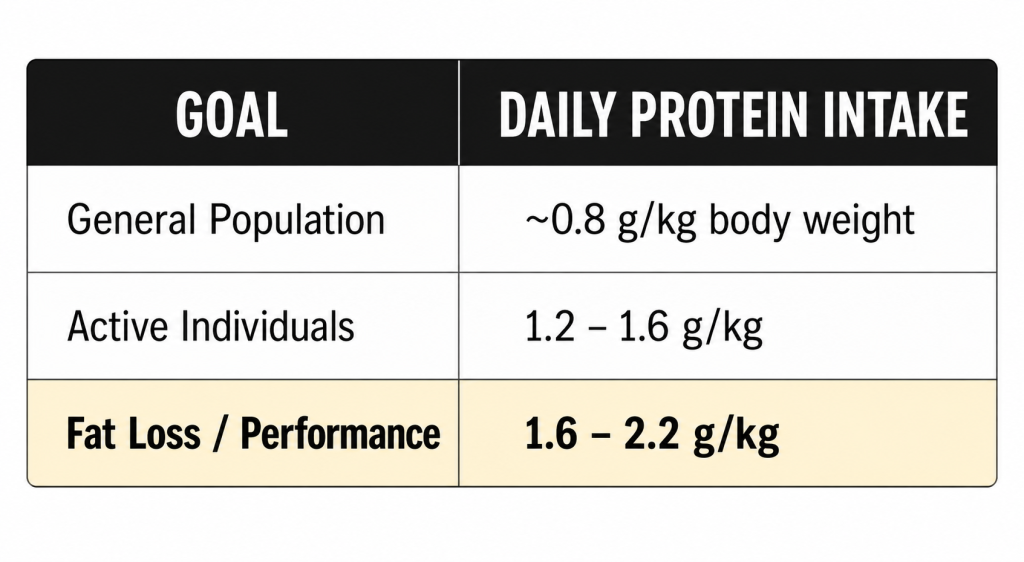
Protein repairs muscle and supports hormone balance. Thanks to a generally high satiety index (when coming from whole food sources), protein is also filling and has the highest thermic effect, meaning your body burns 20–30% of protein calories just digesting it. During intense training or when in a calorie deficit to achieve fat loss, adequate protein intake can prevent muscle breakdown. Studies consistently show 1.6–2.2g/kg (0.7 to 1g per lb bodyweight) optimizes body composition and recovery in high performers and can prevent loss of lean mass during weight loss. For a 170lb athlete, that’s 120–170g daily, spread across meals.
What is enough Protein?
The current trend pushes “more is always better,” but is it realistic? For context, most people under-eat protein; the average American hits around 0.8g/kg. It’s also important to note that there’s a big difference between what is optimal on paper and what is sustainable in real life. Maybe 1.8 – 2.0 g/kg is the textbook “sweet spot” but if you can consistently hit 1.4–1.6 g/kg with mostly real food, enjoy your meals, and stick to your overall plan for months, that will beat a “perfect” 2.2 g/kg you only sustain for 10 days. If you’re currently only making it to .8g/kg/day, hitting a floor on adequate protein in a way that you can sustain, inside a pattern that includes balance of the other nutrients your body needs, is far more powerful than a theoretical optimal target that constantly pulls you off track and has you feeling more stressed and overwhelmed than anything else.
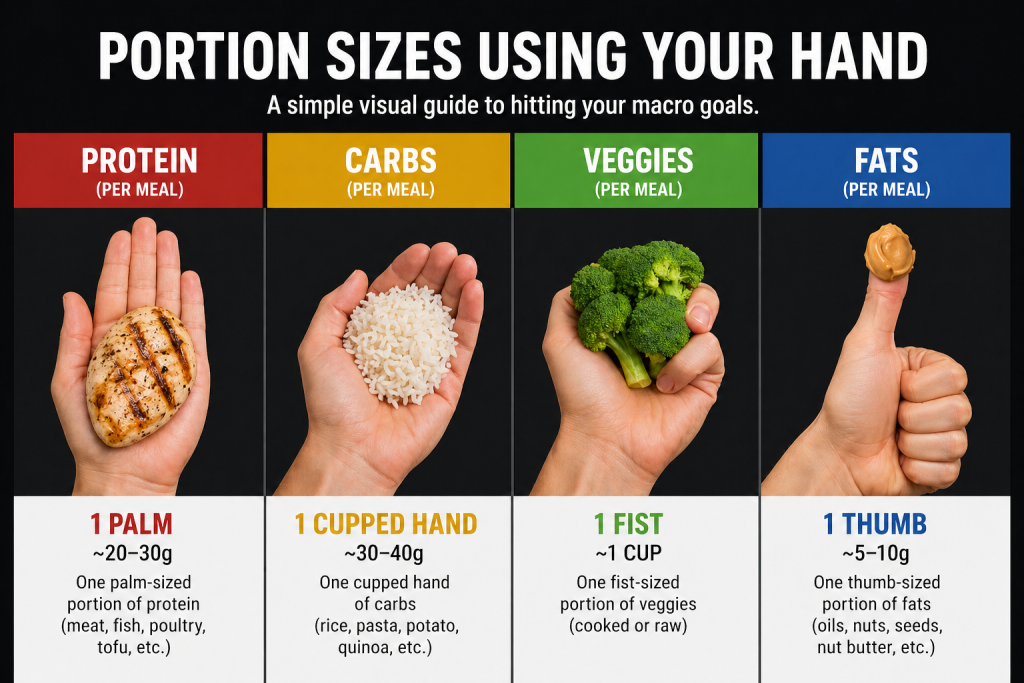
The stress of feeling like you always need to be chasing more protein matters, too. Obsessing leads to burnout. Tracking every gram and forcing down whey shakes when your body is hungry for carbohydrates (actual energy) can leave you feeling discouraged and back to old habits before long. Instead, start with small habits. Start by aiming for a whole food serving of protein at every meal. This looks like a serving size around the size of the palm of your hand. Fill the rest of your plate with vegetables, fruits, and complex carbohydrates. Repeat this process for every meal and suddenly your diet is balanced and less likely to have any major nutrient gaps.
Crowding out the Carbs...and Fiber
Those high-protein Doritos and Pop-Tarts? While they may have more protein than their non-protein iterations, these foods still contain added sugars, are low on fiber, and due to being ultra-processed, are hyper-palatable – AKA they taste really good – these factors can set you up to be in a situation where you’re more likely to over-indulge and exceed your overall calorie goals, which is what is really stunting your progress, not your macro breakdown.
Hyper-focusing on protein intake runs the risk of starving other needs. Athletes chasing PRs need carbs for performance and recovery, yet protein obsession cuts oats and rice for bars and meatsticks. This results in flat workouts and lack of progress, midday brain fog, and evening binges as the body desperately seeks nourishment.
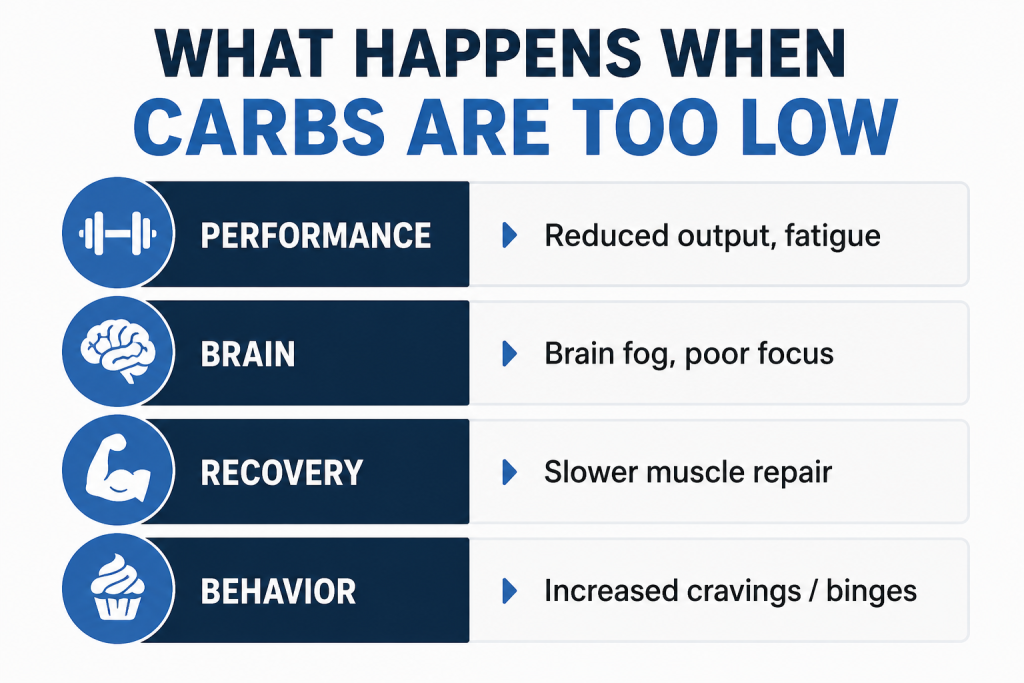
Hyper-focusing on protein intake runs the risk of starving other needs. Athletes chasing PRs need carbs for performance and recovery, yet protein obsession cuts oats and rice for bars and meatsticks. This results in flat workouts and lack of progress, midday brain fog, and evening binges as the body desperately seeks nourishment.
Fiber is just as essential as protein. Getting 25–38 grams per day from vegetables, fruits, and grains feeds your gut bacteria, keeps digestion regular, and helps steady your energy levels – something you won’t get from protein shakes or bars. Nutrients like potassium, magnesium, and antioxidants found in foods such as potatoes and berries also support recovery and performance, while most powders and ultra-processed snack foods lack them.
I once had a client who was consuming 250 grams of protein per day but constantly struggling with energy crashes during runs. When we introduced more carbohydrates and fiber (some examples include sweet potatoes, rice, and even some candy!) throughout the day, his energy levels improved dramatically, workouts felt stronger, and his body composition actually improved.
Lets Get Practical!
Here are some small action items to start with that can improve your overall diet quality without feeling like you’ve given yourself another part time job:
- Follow the minimum rule. Aim for at least 30 grams of protein per meal. Use your hand as a portion guide: your palm for protein, your fist for carbs, and your thumb for fats.
- Prioritize whole foods. Focus on lean meats such as chicken, fish, eggs, dairy, and legumes as your main protein sources. Use supplements mainly when traveling or for convenience.
- Pair your protein with nutrients. Combine protein foods with fiber and carbohydrates to round out your meals. For instance, yogurt with berries is a far better option than a protein bar.
Finally, don’t measure your success solely by if you hit your macros or what the number on the scale says. Look at your performance, energy, how your clothes are fitting, and how your body feels and looks over time. Protein helps you build a strong and healthy body, but the current obsession is mostly profit-driven and focusing too much on it can break your rhythm and sustainability. A focus on balance, real foods, and consistency isn’t flashy, but it’s what drives long-term results. If you’re still struggling to put it all together, working with a Registered Dietitian to help you build these habits is always a great idea.
Work With Us!
If you’re in the Raleigh area and want help applying this in real life, the team at Chain Effect works with clients on personalized nutrition, performance, and sustainable habit building. Whether your goal is fat loss, muscle gain, or improving energy, working with a Registered Dietitian locally can make this process far more practical and consistent.