Inspired by the Chain Effect Podcast episode “Fat-Checking Dietary Fat” with Taylor & Caroline Pope
If you grew up in the fat-free 80s and 90s, you still flinch a little when you see olive oil glug into a pan. Same. But the more we learn, the clearer it gets: fat doesn’t equal body fat, and the right kinds, in the right amounts, can stabilize energy, support hormones, improve training, and keep you satisfied so you’re not rummaging the pantry 90 minutes after lunch.
In this week’s Chain Effect Podcast, “Fat Checking Dietary Fat,” Taylor (DPT) and Caroline (RD) unpack the messy history of fat-phobia, demystify “good” vs. “bad” fats, and settle the seed-oil + coconut oil debates without the internet drama.
Here’s your practical recap with takeaways you can use at your next grocery run.
First, the Big Picture: Your Body Needs Fat
- Steady energy and appetite control. Fat barely nudges blood sugar, which keeps you fuller, longer. (Fantastic at breakfast and lunch; go lighter pre-workout so your stomach isn’t doing burpees during burpees.)
- Hormones are built with fat. Cholesterol and dietary fats are raw materials for estrogen, testosterone, progesterone, and cortisol.
- Nutrient absorption. Vitamins A, Vitamin D, E, and K need fat to catch a ride.
- Cells and brain. Cell membranes and nerve tissue rely on fatty acids (hello, omega-3s).
Chain Effect’s Translation: Fat isn’t the villain. Overdoing calories is. (Fat has nine cals/grams vs. 4 for protein/carbs, so portions matter.)
Now, it’s time to settle some debates regarding fat. Taylor and Caroline dive in!
Everything You Need To Know About Dietary Fat
Unsaturated vs. Saturated Fat (and Why Butter is Solid)
- Saturated fats (solid at room temp): butter, lard, high-fat dairy, fatty cuts of meat, coconut oil. Great for flavor; keep to ~10% of daily calories (or ~6% if you’re managing cholesterol).
- Unsaturated fats (liquid at room temp):
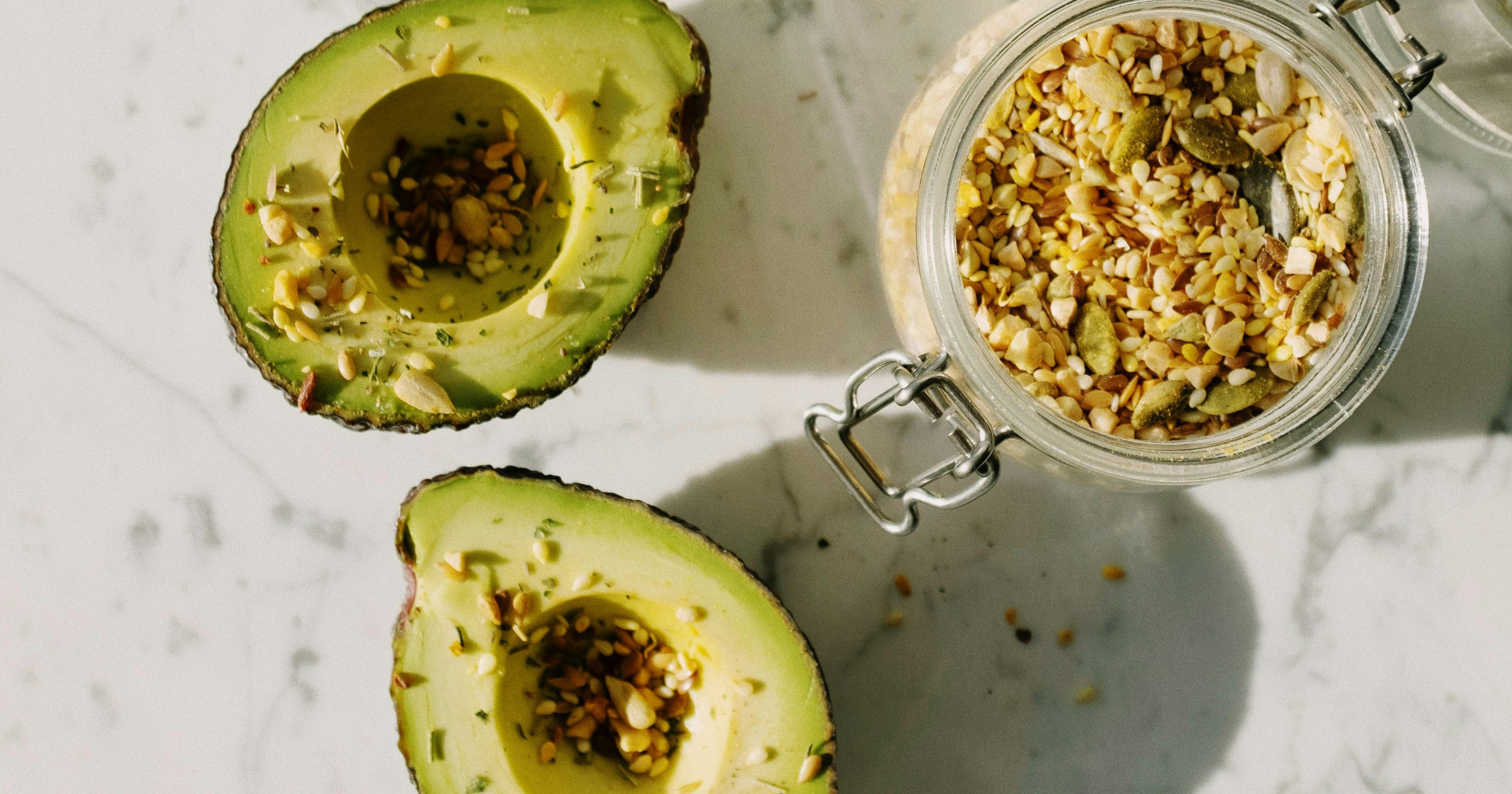
- Monounsaturated (MUFA): olive oil, avocado, almonds, pistachios
- Polyunsaturated (PUFA): omega-3 and omega-6 rich foods (more below)
These are your workhorses for heart health and everyday cooking.
Chain Effect’s Rule of Thumb: Build your baseline on olive oil + avocado oil + nuts/seeds + and fatty fish. Use butter/c and conut for taste cameos, not lead roles.
Omega-3s vs. Omega-6s: A Ratio Game
- Omega-3s (anti-inflammatory all-stars): salmon, sardines, mackerel, trout, anchovies; flax, chia, walnuts (ALA, which is good, but less potent than fish-based EPA/DHA).
- Omega-6s are necessary, but we get too many from processed foods and common restaurant oils (soy, corn, safflower, sunflower). A typical modern diet can hit 15:1 (omega-6:omega-3).
Chain Effect Suggestion: Aim ≤4:1 by adding omega-3s rather than fear-cutting every omega-6.
Simple Omega-3 wins you can make this week
- Swap one dinner for salmon or trout.
- Stir a spoon of chia or ground flax into yogurt or oats.
- Keep a can of sardines or tuna for a quick protein + omega-3 lunch.
The Seed-oil Drama (Without the Drama)
Are seed/vegetable oils “toxic”? Short answer: no; not in the moderate amounts you’ll use at home. They’re mostly unsaturated and safe; the concern is excess in ultra-processed foods and fryers (hello, skewed omega-6 intake).
Chain Effect’s Practical Approach:
- Cook mostly with: extra-virgin olive oil (low–med heat, dressings) and avocado oil (higher heat).
- Eat out smart: fewer fried foods, more grilled/roasted/baked.
- Don’t swap everything for butter/lard in the name of “natural.” That’s trading one problem for another.
Coconut Oil & MCTs: what’s real
Coconut oil is 80–90% saturated fat. It can absolutely fit, especially for certain flavors, but treat it like butter: small amounts, not your default. MCT oil (a refined fraction of coconut oil) behaves differently and is quickly used for energy, but it’s still a saturated fat. If lipids are a priority, keep servings modest and use strategically.
Now that we’ve talked about some commonly debated subjects regarding fat, let’s help you put it into practice.
Pre-workout and post-workout fat: how to time it
- Before training (60–120 min), keep fat low-to-moderate; lean on carbs and a little protein for quick, comfortable fuel.
- Examples: banana + Greek yogurt; rice cake + turkey; toast + a thin smear peanut butter
- After training, a balanced meal with protein, carbs, and some fat helps recovery (e.g., salmon rice bowl with avocado; turkey burger on a bun with side salad + olive-oil vinaigrette).
Grocery guide: fats that make life easier (and better)
- Oils: Extra-virgin olive oil (dark bottle), avocado oil (high-heat), a neutral high-heat oil as backup if needed
- Fish (fresh or canned): salmon, sardines, trout, mackerel, tuna
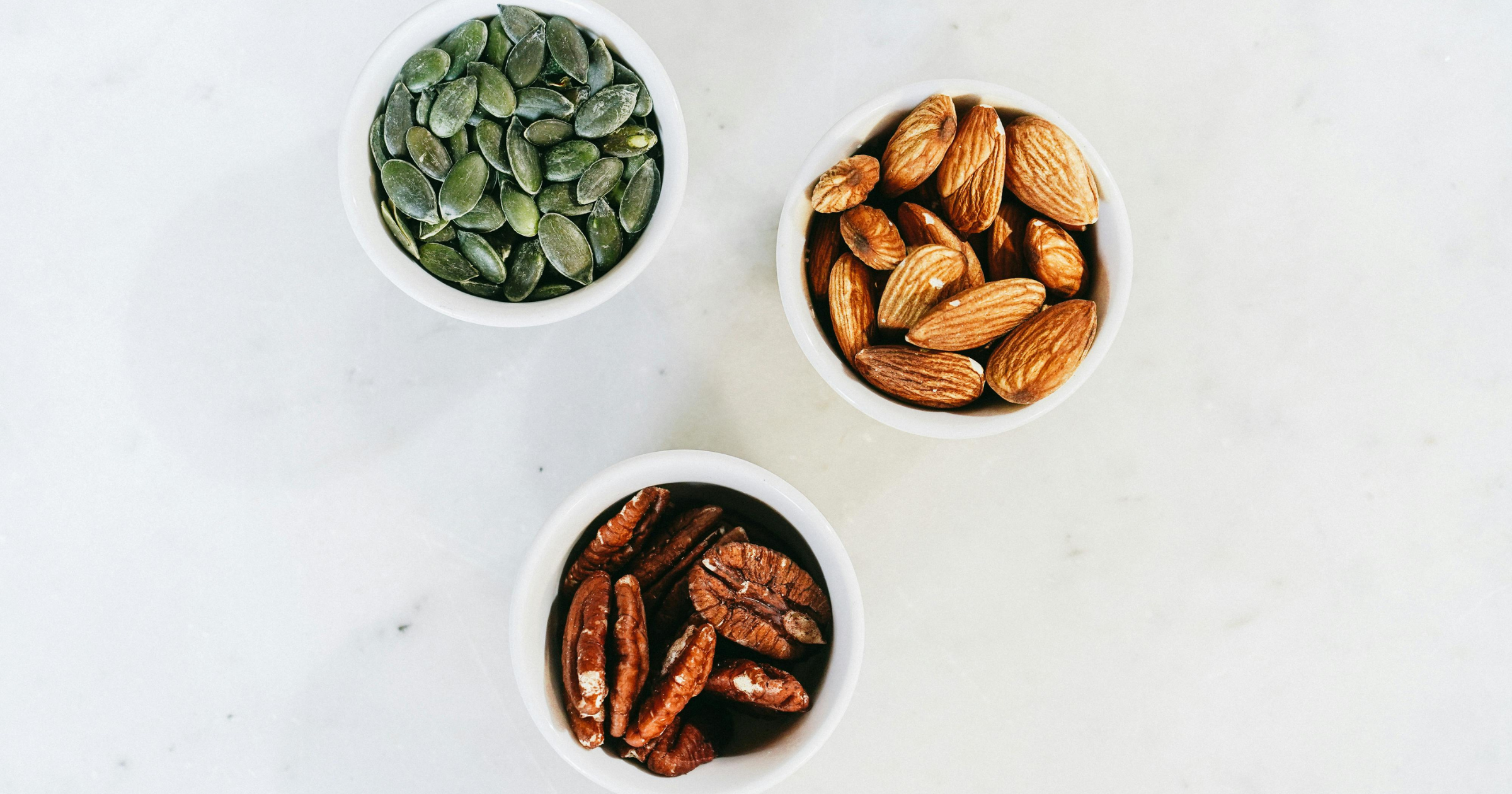
- Nuts & seeds: almonds, pistachios, walnuts, pumpkin seeds, chia, ground flax
- Flavor boosters: olives, tahini, pesto, nut butters
- Dairy (if tolerated): plain Greek yogurt, cottage cheese, a good aged cheese (small amounts pack flavor)
Ready to make some healthy fat recipes that taste amazing? The Registered Dieticians at Chain Effect have got you covered!
3 quick, fat-smart recipes (weeknight-friendly)
1) 10-Minute Sardine Caesar Toasts
Why This Recipe: Fast protein, big omega-3s, huge flavor.
- Whole-grain sourdough, toasted.
- Mash: 1 tin sardines + squeeze lemon + 1 tsp Dijon + cracked pepper
- Spread on toast, top with shaved parmesan, chopped romaine, and a drizzle of olive oil.
2) Salmon, Avocado & Rice Bowl
Why This Recipe: Perfect post-workout balance.
- Cooked rice (or frozen microwaveable)
- Baked or air-fried salmon (salt, pepper, garlic, 8–10 min)
- Toppings: avocado, cucumbers, scallions, edamame, sesame seeds
- Sauce: 1 tbsp soy/coconut aminos + 1 tsp rice vinegar + ½ tsp honey + chili flakes
3) Olive-Oil Greek Chopped Salad (add chicken for a meal)
Why This Recipe: MUFA-rich and endlessly portable.
- Chopped tomatoes, cucumbers, peppers, red onion, olives
- Feta crumbles (optional)
- Dressing: 3 tbsp extra-virgin olive oil + 1 tbsp red wine vinegar + oregano + salt/pepper
- Toss; add grilled chicken or chickpeas if desired.
Want a coach to translate this into your meals, training, and fitness goals?
This is where Chain Effect shines. Our Raleigh crew works together – registered dietitians, personal trainers, physical therapists, and active recovery pros in Raleigh, NC – so your fueling plan matches your training, your joints feel good, and you actually stay consistent.
- Nutrition Counseling: Turn “eat more omega-3s” into a grocery list, recipes, and a plan you’ll follow when life gets busy.
- Personal Training: Strength programs that respect your recovery, joints, and goals, whether fat loss, performance, or longevity.
- Active Recovery & Physical Therapy: Keep tissues happy, iron out aches, and move better so your progress doesn’t stall.
If the podcast got your wheels turning but you want a plan tailored to you (blood sugar, cholesterol, training schedule, preferences, and all), book a session at Chain Effect in Raleigh. We’ll help you pick the right fats, dial in portions and timing, and align your meals with your workouts so you feel steady energy (not snack-spiral hunger) and see results you can sustain.
Revisit the full episode: “Fat-Checking Dietary Fat” with Taylor & Caroline Pope. Then let’s build your game plan together.