When teens head off to college, they’re not just stepping into a new academic world. They’re stepping into independence. For many, that also means navigating food choices on their own for the first time. Enter the infamous “Freshman Fifteen.” It’s a term that’s often tossed around casually, sometimes with concern, other times with judgment.
But here’s the truth: this isn’t about numbers on a scale. It’s about helping young adults build a healthy, confident relationship with food and their bodies during a pivotal time of change.
It’s Not Just About Weight. It’s About Awareness.
College life comes with stress, late-night study sessions, dining hall buffets, budget meals, and irregular routines. When nutrition knowledge hasn’t been taught at home, it’s easy to default to fast food and energy drinks. The “Freshman Fifteen” isn’t inevitable. However, without guidance, it is understandable.
As parents, you don’t need to micromanage your teen’s diet. But you can plant seeds before they leave the nest.

5 Ways to Empower Your Teen Around Nutrition
1. Talk Early and Often, Without Shame
- Create an open dialogue about food and health that’s rooted in curiosity, not control.
- Ask questions like:
“How do certain foods make you feel?”
“What’s your go-to breakfast when you’re rushing?” - Normalize talking about energy, sleep, mood, and digestion, not just calories.
2. Focus on Function, Not Fads
- Help them understand that nutrition fuels focus, supports immune function, and stabilizes mood.
- Instead of framing food as “good” or “bad,” discuss how protein helps with satiety or how hydration can combat brain fog.
- Make it about performance and well-being rather than restriction.
3. Teach Grocery Store Basics
- If your teen is living off campus or has access to a kitchen, show them how to build a cart with balance:
- A protein source (eggs, beans, frozen chicken)
- A carb that sustains energy (oats, brown or black rice, whole grain bread, sweet potatoes)
- Healthy fats (avocados, olive oil, nuts)
- Colorful fruits and veggies (fresh or frozen)
4. Make Movement Part of the Conversation
Encourage exercise as a tool for stress relief and mental clarity, not just weight loss. Whether it’s intramural sports, walking to class, or following YouTube workouts, remind them that any movement counts.
5. Let Them Know It’s OK to Recalibrate
If your student does gain weight in college, it doesn’t mean they’ve failed. College is a learning curve—physically, emotionally, and nutritionally. The goal isn’t to bounce back. It’s to move forward with tools, self-compassion, and support.
If They Want to Lose the Freshman Fifteen
For students who want to lose weight they gained in college, here are sustainable, non-restrictive strategies:
- Start by tracking habits, not calories. Focus on sleep, movement, hydration, stress, and meals.
- Cook one or two meals per week if possible. Simple meals like stir fry, grain bowls, or egg scrambles build confidence and save money.
- Drink water first, especially before meals or coffee.
- Create structure, even if it’s loose. Think of three meals a day, some snacks, and an 80/20 mindset.
- Limit liquid calories such as alcohol, sugary coffees, and sodas without cutting them out entirely.
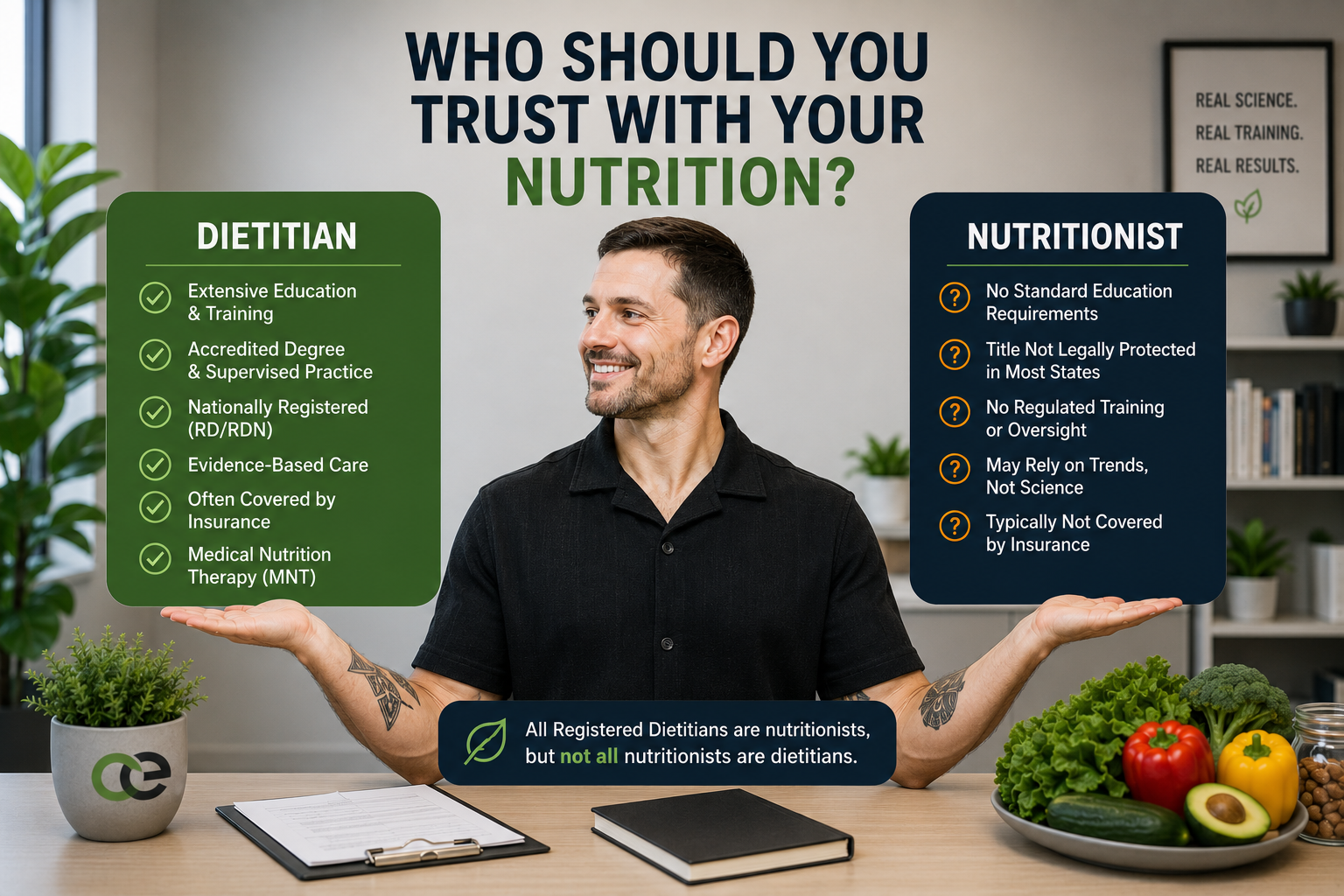
For students who need a little extra guidance, professional support can make a world of difference. At Chain Effect, our nutrition counseling isn’t just about what’s on the plate. It’s about helping young adults connect the dots between food, function, and confidence.
Our registered dietitians work with individuals to build habits that are realistic, personalized, and grounded in evidence, not trends. Whether your student needs help navigating dining halls, managing stress eating, or understanding how to fuel their brain and body, our team is here to help them thrive—not just survive.
Learn more about nutrition counseling at Chain Effect
Final Thoughts for Parents and Students
Whether you’re a parent preparing to send your child off to college or a student learning to navigate life on your own, one thing is true: food choices can be empowering when they come from a place of knowledge, not pressure.
For parents, the best gift you can give your college-bound child is not a lecture about carbs. It’s confidence in their ability to figure it out. Nutrition is a skill. Like any skill, it takes time, mistakes, and practice. By modeling a healthy relationship with food, inviting open conversations, and connecting them with expert support like Chain Effect, you are helping lay a foundation that will support them far beyond college.
For students, college brings freedom—and with that comes the responsibility to care for yourself in new ways. You are not expected to get everything right. The goal is not perfection. It is to learn, adjust, and do what helps you feel your best. If you ever feel overwhelmed by what to eat, how to feel better, or where to start, know that support is available. Our nutrition team at Chain Effect understands what this transition is like. We are here to help you build habits that support your goals, your health, and your confidence.