 Whether you’re a vegan or a vegetarian, you deserve a dietitian who understands and respects your diet. Unfortunately, many nutritionists aren’t trained to provide useful advice for plant-based clients and could end up turning a client off to nutrition counseling entirely. When you know how nutritionists often fail vegans and vegetarians, you can spot the warning signs and more easily find helpful dietitians for your plant-based diet.
As you look for a vegan or vegetarian dietitian, take a moment to review some of the common reasons nutritionists fail plant-based clients and how to find a credible dietitian for vegetarian and vegan diets.
1. Many Nutritionists Don’t Have the Educational Background for Vegan and Vegetarian Diets
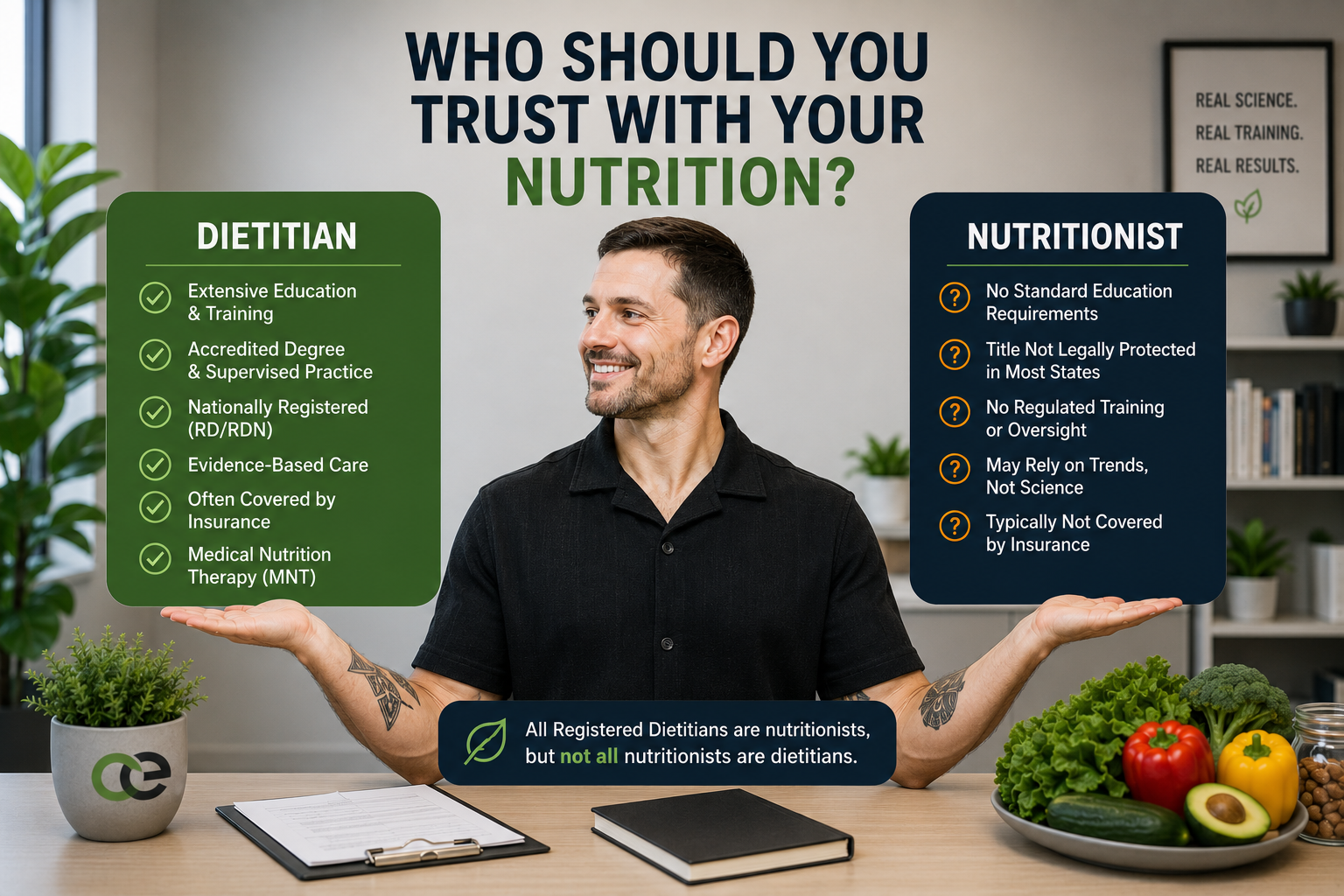
While almost any dietitian or nutritionist will know the difference between vegan and vegetarian diets, many nutritionists don’t have the educational background to support a client’s dietary needs. Currently, the U.S. doesn’t have strict requirements about who can call themselves a nutritionist, which can lead to some confusion and poor quality care. Since anyone can call themself a nutritionist, you’ll often find that nutritionists don’t know how to meet a vegan or vegetarian’s dietary requirements.
In contrast to nutritionists, registered dietitians have several requirements they must complete before they can call themselves dietitians. For example, registered dietitians have to have an undergraduate degree, with some states also requiring a graduate degree. They’ll also have completed over 1,000 hours of training, passed a certified national exam, and will need to take continuing education seminars to maintain their credentials. Due to these stricter requirements, registered dietitians will usually have a much better understanding of healthy plant-based diets.
Instead of picking the first dietitian you see on Google, check their credentials first. If they’re a registered dietitian, you can verify their credibility by reviewing their educational background and certifications. You should also ask them about what experience they have working with vegans and vegetarians. Many great vegetarian or vegan dietitians will have also completed additional programs focused specifically on plant-based diets.
2. Not Compensating for Missing Vitamins and Minerals
One of the first questions people ask vegetarians and vegans is how they get enough protein in their diets. While eating enough protein is important, it shouldn’t be the only focus of a vegan or vegetarian dietitian. A dietitian who only focuses on macros like protein, fat, and carbs can end up neglecting essential vitamins and minerals that plant-based clients may not be getting enough of.
When looking for a dietitian, check that they know what minerals and vitamins vegetarians and vegans tend to be low in. For example, vegetarians and vegans are more at risk of having deficiencies in calcium, vitamin D, vitamin B12, iron, and zinc. Since everyone needs these vitamins and minerals to feel their best, a credible vegan dietitian should know how to design a dietary plan that makes up for any deficiencies.
3. Lack of Variety in Protein Intake and Dietary Plans
When a dietitian doesn’t know much about vegan and vegetarian diets, they’ll often fall back on a few types of foods or dishes when creating diet plans. While the plan might initially be great for the client, having to eat the same foods over and over again will get boring and make the client less likely to actually stick with the plan. Protein sources can be especially hard for nutritionists, with many defaulting to tofu dishes and not much else.
Before you sign up for a dietitian’s services, ask them about the protein sources they usually recommend to clients and how much variety they include in their meal plans. A great dietitian will go beyond tofu, including dishes that feature other plant-based, high-protein foods, such as seitan, lentils, nutritional yeast, teff, hemp seeds, quinoa, beans, and green peas. They’ll also keep meals varied so you don’t get bored or discouraged while trying to reach your health goals.
4. Failing to Take the Time to Understand Why Someone Is Vegan or Vegetarian
At times, some nutritionists and dietitians might try to encourage a vegan or vegetarian client to take supplements that have animal products in them, such as fish oil and certain Vitamin D supplements. After all, they’re not actually having to eat meat when they take a supplement, so what’s the problem if it’s helping them stay healthy?
This approach, however, could offend a client, particularly if they’re a vegetarian or vegan for religious, ethical, medical, or environmental reasons. If a dietitian doesn’t take the time to understand the reason why someone follows one of these diets, the advice and dietary recommendations they give could make the client feel like they aren’t being heard. When someone goes to a dietitian, they’ll often want encouragement and support, and the quickest way to discourage them is to ignore their reasons for being a vegan or vegetarian.
A good vegetarian or vegan dietitian will take the time to work with you and understand the reasons for your dietary choices. They should also gear their dietary advice to those reasons. For example, if you’re a vegetarian for sustainability reasons, your dietitian should try to create a dietary plan with high amounts of sustainable, environmentally friendly plant-based foods.
Chain Effect: Personalized Help From Vegan and Vegetarian Dietitians
If you’re looking for a dietitian for vegetarian diets or vegan ones, Chain Effect can help. Our registered dietitians have the education, training, and experience needed to ensure we fully support our vegan and vegetarian clients’ unique needs. We can create balanced plant-based meal plans, provide advice on ensuring your nutritional needs are met, and work with you closely to ensure you have the encouragement you need to be successful. We also can conduct all our nutrition counseling appointments virtually to make them more accessible and convenient for clients.
Learn more about our nutritional counseling services today.