 If you’re looking for a more sustainable approach to eating healthy and improving your overall health, functional nutrition is a great option. When you work with a functional nutritional therapy practitioner, they’ll move beyond just assessing whether foods are “good” or “bad.” Instead, they’ll take your psychology, lifestyle, genetics, and more into account while helping you develop a healthier relationship with food.
What Is Functional Nutrition?
As a branch of functional medicine, functional nutrition takes a holistic approach to an individual’s nutritional needs, with functional nutritionists seeing food as medicine. During a functional nutrition appointment, a counselor will take a variety of factors into account before developing a meal plan and providing nutritional advice to their patient. The factors your nutritionist will assess before developing a meal plan and providing advice for a patient often include:
- Lifestyle
- Stress
- Activity level
- Hormonal balance
- Psychological make-up
- Individual and family medical history
- A patient’s current health
- Food sensitivities and allergies
- Nutrient insufficiencies or deficiencies
- Genetics
- Blood sugar regulation
How Is Functional Nutrition Different From Standard Nutrition?
Standard nutrition involves giving people nutritional facts about foods and drinks. Typically, standard nutrition focuses on whether a food is good or bad for you, with information like calories, fat, carbohydrates, and other nutritional information.
While functional nutrition also takes nutritional facts into account, it also considers other factors. For instance, a functional nutritionist might help you understand nutritional labels on foods while also providing advice on other lifestyle changes you can make.
How Does Someone Become a Functional Therapy Practitioner? Who Qualifies as a Functional Nutritionist?
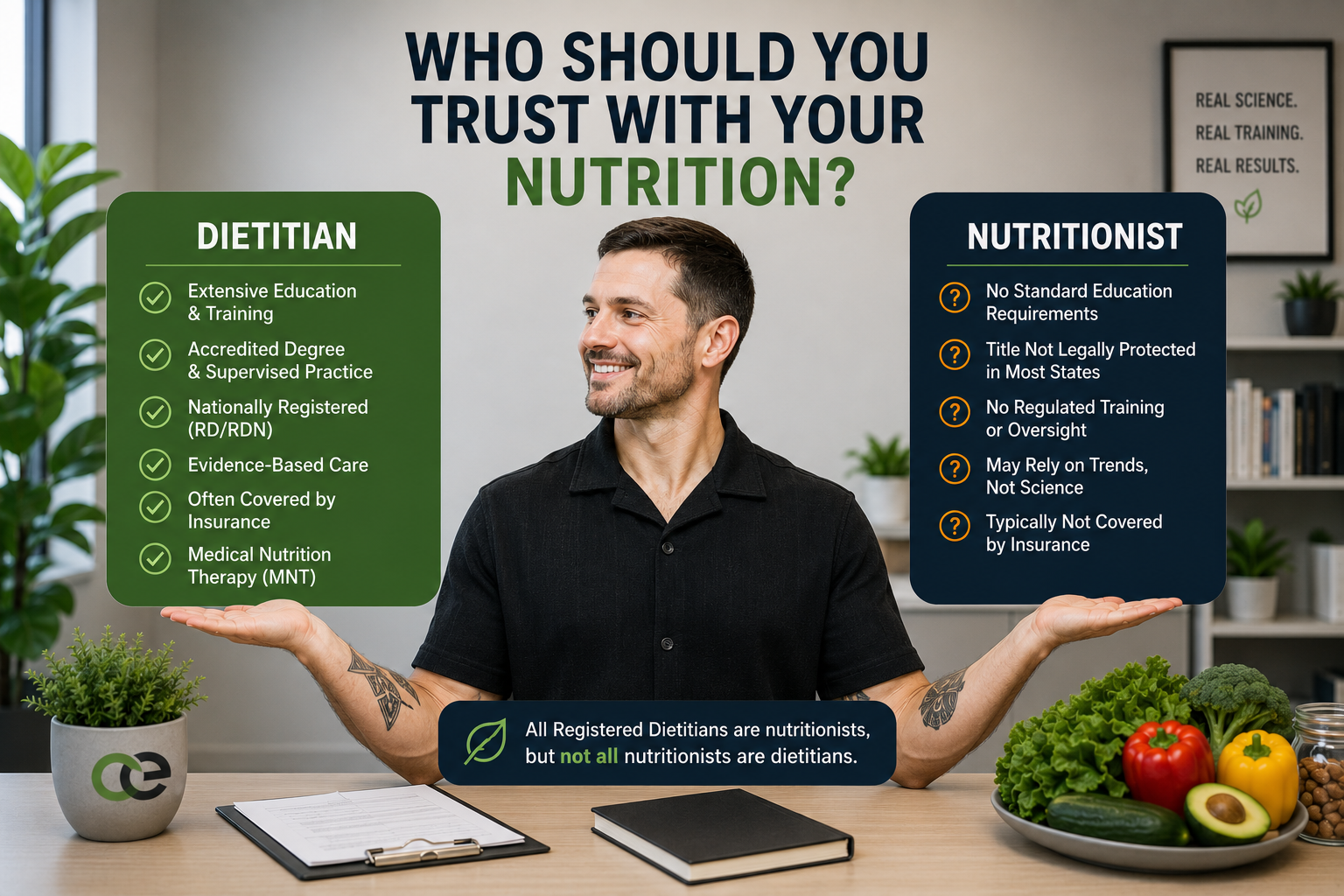
When you’re looking for a functional nutritionist, you should keep in mind that the U.S. doesn’t have strict regulations about who can call themselves a nutritionist. Typically, registered dietitians who incorporate functional nutrition into their practice are more trustworthy. Registered dietitians have to receive a certification and train for over a thousand hours before passing a certified national exam. They also have to take continuing education seminars throughout their career to continue calling themselves a registered dietitian.
In contrast, anyone can call themselves a nutritionist without ever taking any exams or courses. Before you book an appointment, confirm that the functional nutritionist has a bachelor’s degree in healthcare and has completed a license or certification from a credible nutrition program. If they’re also a registered dietitian, you can trust that they’ve been properly educated and can provide accurate advice.
What Are the Benefits of Functional Nutrition?
Due to its holistic approach, functional nutrition has many benefits that make it a sustainable approach for many who want to have a healthier relationship with food. The four primary benefits of functional nutrition include:
- Holistic approach to nutrition: If you’re just concerned with calories or whether a food is good or bad, you may end up jumping from diet to diet without long-lasting results. Functional nutrition takes a more holistic approach, with dietary advice just one piece of a larger puzzle. This more holistic approach often works better for patients, as they’re encouraged to see their food as medicine and develop a healthier relationship with it. Changing one’s relationship with food can also make dietary changes more sustainable, leading to better long-term results.
- Personalized nutritional plans and goals: Functional nutritionists don’t take a one-size-fits-all approach with patients. Since one meal plan might work for one patient and not another, a functional nutritionist will take the time to understand your nutritional preferences, lifestyle, allergies, overall health, and psychology first. After they’ve gathered this information and gotten to know you, they’ll create nutritional plans and goals designed specifically for you, leading to more sustainable results.
- Actionable advice for more than just food: Due to functional nutrition’s holistic and personalized approach, you can expect to receive actionable advice beyond information about food. For example, your functional nutritionist might help you take steps to sleep better, lower your stress levels, or become more active. As a result, patients often see positive changes to both their dietary and overall health after they start working with a functional nutritionist.
- Better quality and nutrient-dense foods: While functional nutrition doesn’t focus just on food, advice on what foods to eat and meal plans still play a large role. Functional nutritionists should be experts on food, and they can use that expertise to ensure the foods you eat supply all the nutrients your body needs to stay as healthy as possible. For example, they can make a meal plan with nutrient-dense foods that ensure you consume enough essential fatty acids, amino acids, minerals, vitamins, probiotics, and complex carbohydrates.
What Conditions Can Functional Nutrition Help Patients Manage?
A functional nutrition counselor can help their patients manage a variety of conditions, such as chronic diseases and digestive issues. Review the main conditions functional nutrition can help manage below:
- Nutrient deficiencies
- Obesity
- Sleep disorders
- Anxiety or depression
- Eating disorders
- Digestive/gut issues
- Metabolic syndrome
- Pain management
- Autoimmune diseases
Schedule a Nutrition Counseling Appointment
If you’re looking for a nutrition counselor, Chain Effect can help. Our registered dietitians take a functional approach to our nutritional counseling services, combining habit science and psychology to help our clients foster a healthier relationship with food. We’re also experts in weight management, fitness performance, diabetes, and disease management, ensuring our services can meet our clients’ diverse needs.
We also conduct all our nutrition counseling appointments virtually to make them more accessible and convenient for clients.
Learn more about our nutritional counseling services today.