 GLP-1s, like Ozempic and Wegovy, have made headlines for their ability to help people lose weight even if they don’t have diabetes. Due to the dramatic weight loss many people experience while taking GLP-1s, some assume that GLP-1s make you healthier. While GLP-1s can be useful for weight loss and can be taken in a healthy manner, they can also make it more difficult to eat healthfully and maintain muscle mass.
As you try to eat well and stay healthy while taking GLP-1s, learn more about how GLP-1s can lead to poor nutrition and how a GLP-1 nutrition plan can help.
Why Can GLP-1s Lead to Poor Nutrition?
GLP-1s reduce sensations of hunger in the brain and slow how fast food leaves the stomach, making people feel fuller while eating less food. Due to these effects, people lose around 10% to 20% of their body weight while taking GLP-1s. Though this dramatic weight loss can be life-changing for some, GLP-1s can cause a host of issues with nutritional health, such as malnutrition, lost muscle mass, and vitamin deficiencies.
If you’re taking GLP-1s or are considering them, review some of the ways GLP-1s can affect your nutritional health below:
- GLP-1s can cause undereating: One of the most alarming risks of taking GLP-1s is undereating and malnutrition. Since GLP-1s can significantly reduce appetite and cause unpleasant side effects, people are more likely to undereat while taking the drug, leading to malnutrition.
- GLP-1s can cause unpleasant side effects: Some of the most common side effects of GLP-1s are nausea, vomiting, and diarrhea. If you experience these side effects while taking a GLP-1, you’ll be more likely to undereat, as eating could make the side effects worse.
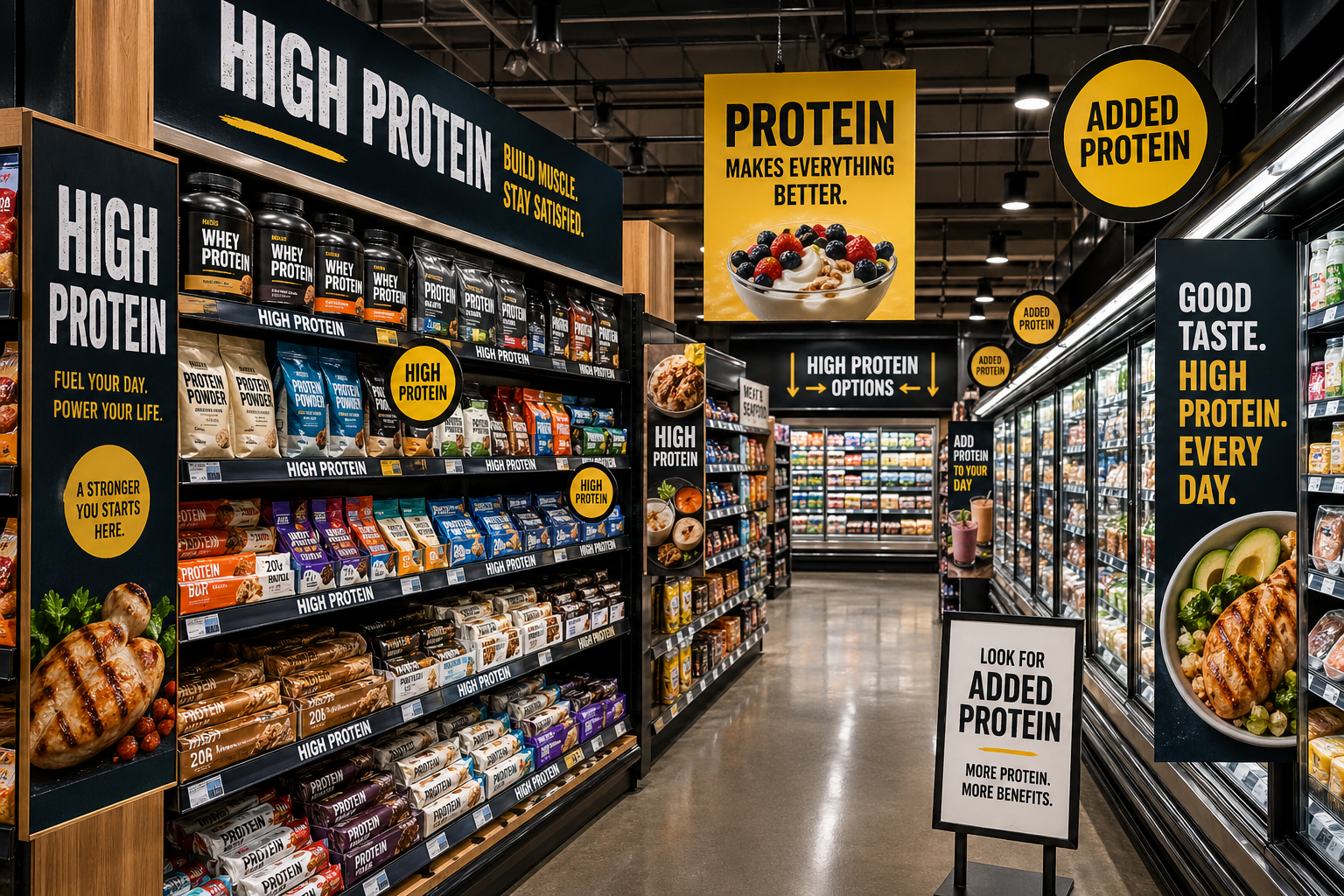
- GLP-1s can cause lost muscle mass: GLP-1 medications often cause rapid weight loss, and rapid weight loss is often accompanied by a loss of muscle mass. Due to the effects of GLP-1s on appetite, you might also not eat enough protein, which can negatively affect your muscle mass.
- GLP-1s may result in vitamin/mineral deficiencies: Since GLP-1s reduce one’s hunger and desire to eat, people often don’t want to pick the healthiest option when they actually do get hungry. Instead of going with a healthy meal, they’ll often eat tasty but non-nutritional comfort foods. If you don’t have much of an appetite, it can also be harder to eat fibrous food, like fruits and vegetables. These dietary habits can result in vitamin and mineral deficiencies.
- GLP-1s can create unhealthy relationships with food: Forcing yourself to eat food when you’re not hungry or feeling nauseous can take the joy out of food. If you already have a history of emotional or disordered eating and are taking a GLP-1, you’ll need to consciously make sure you eat enough food while on the medication, which could worsen your relationship with food.
How to Stay Healthy With a GLP-1 Nutrition Plan and Dietitian
Due to the many ways GLP-1s can lead to poor nutrition, you’ll want to be intentional when deciding what you eat and how often you eat. With a Wegovy or Ozempic nutrition plan from a registered dietitian, you can overcome the main nutritional challenges facing those taking GLP-1s. Learn more about how dietitians can help you eat enough nutrients and maintain a healthy relationship with food while on GLP-1s below:
1. A Dietitian Will Tailor Your Nutrition Plan for Your Specific Needs
Everyone is different, and there’s no single Ozempic or Wegovy nutrition plan that will work for everyone. A registered dietitian should know how to create nutrition plans that account for GLP-1s while also tailoring their plans to their client’s unique needs. These personalized GLP-1 nutrition plans can ensure you’re eating healthfully and receiving all the essential nutrients you need. Additionally, since the plans are personalized to your preferences, you’ll be more likely to enjoy the food you’re eating and not feel as tempted to eat less nutrient-dense foods.
2. A Dietitian Can Help You Foster a Healthier Relationship With Food
Many dietitians prioritize helping clients change their relationship with food and develop more positive associations with it. Developing a healthier relationship with food and learning dietary strategies can help you enjoy food while taking GLP-1s. If you stop taking a GLP-1 in the future, the skills and mindset you learned with your registered dietitian can help you maintain your goal weight.
3. A Dietitian Will Give You the Support and Encouragement Needed to Stick With Your Nutrition Plan
Any weight loss journey can come with setbacks that can tempt you to give up on your plan. Fortunately, when you work with a registered dietitian, you don’t have to go through these feelings alone. A registered dietitian can help you work through these feelings and provide the encouragement you need to stick to your plan. Plus, if a plan just doesn’t seem like it’s working for you, the dietitian can adjust it to better fit your needs.
Can a Dietitian Prescribe Ozempic?
Dietitians cannot prescribe Ozempic, Wegovy, or other GLP-1s. Instead, you’ll need a prescription from a licensed healthcare professional, such as a primary care provider. However, registered dietitians can help you maintain your nutritional health while taking GLP-1s.
Create a GLP-1 Nutrition Plan With a Registered Dietitian at Chain Effect
If you’re taking GLP-1s or are planning to take them soon, our team of registered dietitians at Chain Effect can help you manage your nutritional health. When you meet with one of our registered dietitians online or in person, they can build a GLP-1 nutrition plan that takes your unique health and nutritional needs into account. Our registered dietitians also draw on habit science and psychology to help our clients develop a healthy relationship with food.
Learn more about our nutritional counseling services.